Discover the top marketing campaigns for credit cards, from the 1990s to present day. Learn how finance companies have used marketing to change their brand image and reposition.
Thomas Ross

Discover the top marketing campaigns for credit cards, from the 1990s to present day. Learn how finance companies have used marketing to change their brand image and reposition.
Thomas Ross
9 min read
9 min read
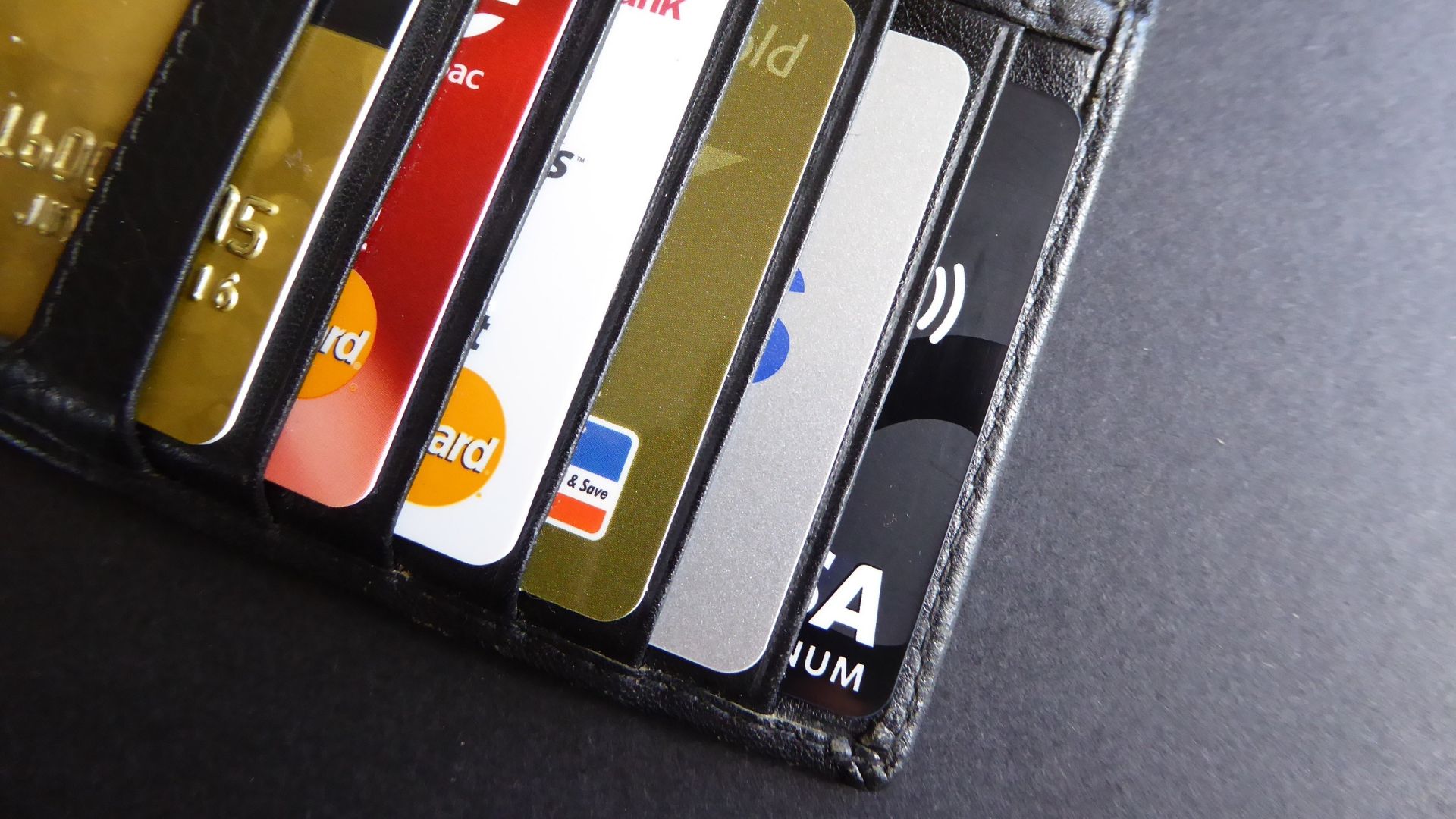
Credit card issuers use creative marketing to differentiate and engage customers.
Some of the best credit card marketing campaigns have been simple notes on the user's credit card experience.
Iconic campaigns – from global brands like Mastercard’s “Priceless” to UK financial players like Vanquis and Capital One UK – have linked spending to emotion, humour, or convenience. These examples (below) cover campaign name, brand, launch year, strategy and channels, outcomes (where known) and marketing takeaways.
Campaign lessons include using emotional storytelling, aligning with customer needs (transparency, rewards or values), and leveraging high-impact channels (TV, OOH, social) to cut through market noise. See also the Finnus guide on top finance marketing campaigns for further inspiration.
Mastercard’s “Priceless” ads (debuting in 1997) show that money can’t buy life’s meaningful experiences. Ads depicted scenes like parents with children or friends at a baseball game, narrated by “Two tickets to the ball game…$46.20. A hot dog and a soda…$4.57. Mom’s new running shoes…$29.50. [Child’s smile] Priceless.” This emotional narrative built a powerful brand platform that’s still refreshed today (announcing anniversary events and experiences).
AmEx’s “Shop Small” (or “Small Business Saturday”) campaign celebrates local merchants and cardmembers. Every year around Thanksgiving, AmEx encourages people to use cards at small businesses, offering marketing funds and matching grant programs. Adverts and social media encourage community support, with slogans like “Small businesses are the heart of our community.” This cause-marketing approach emphasises values over product features.
Barclaycard’s “Money Moves” ads (featuring Rowan Atkinson) launched the credit card in the UK. Atkinson played bumbling secret agent Richard Latham in a series of high-production-value TV spots. For example, one ad showed Latham attempting comic stunts (like parachuting with a malfunction) to demonstrate card benefits. The tone was absurdly humorous – more entertainment than straightforward selling.
Capital One UK’s new campaign, “No Nasty Surprises” (by Fold7), communicates the brand’s transparent approach to credit. The hero TV spot shows a man expecting a puppy but getting a mischievous badger instead – a visual parable that underscores that not checking the details can lead to unwelcome surprises. His partner, by contrast, uses Capital One’s eligibility check (which doesn’t affect credit score) and APR clarity, so she knows exactly what to expect before applying. The tagline is that with Capital One you can always know what you’re getting upfront.
Vanquis’s “Acquire the Power” campaign used medieval fantasy visuals to promote its credit card. TV ads (directed by Phil Hawkins) showed an action-hero warrior carving wood or flying a falcon, only to quip that improving your credit score or checking eligibility (via Vanquis’s 60-second Express Check) is more practical than their swordplay. A Hollywood actor (Taylor James) played a male warrior, with a female warrior added in later spots, adding cinematic flair.
Asda revamped its retail credit card into a cashback-focused product. A UK agency (Creode) created ads and marketing materials showing shoppers using the card and then enjoying luxury rewards (e.g. holiday items beyond groceries), aligning with Asda’s “Save Money, Live Better” ethos. The campaigns spoke directly to busy Asda customers, highlighting how routine purchases could translate into aspirational experiences (a tactic that made spending feel less routine and more rewarding).
In mid-2021, Visa rolled out its “Meet Visa” campaign (with new creative agency Wieden+Kennedy). Instead of focusing on credit cards, it showcased Visa as a technology enabler. Short video ads depicted everyday people getting paid instantly (e.g. a dog-walker receiving crypto on her phone, and a retailer getting a payment notification right after a sale). The voiceover emphasised that Visa is “a network working for everyone,” supporting digital currencies, real-time wages and mobile commerce. The old Visa stripes logo was refreshed to a new dynamic mark. Early spots ran on NBC for U.S. audiences and in cinemas. It reframed the brand during a pandemic/post-pandemic era. Rather than just sell plastic cards, Visa showed how it powers modern life (crypto, gig economy, etc.). This aligns with the company’s shift into fintech partnerships. As a brand initiative, this is about repositioning. Initial uptake was broad – Visa said the campaign would roll out in 200+ countries. The move signalled to consumers and merchants that Visa evolves with payment trends.
Yonder, a UK challenger credit-card startup, launched cheeky ads positioning itself opposite American Express. In 2023, it plastered lookalike posters on London Underground platforms styled like AmEx ads, inviting commuters to earn points they’d actually use. It even amused onlookers at the Wimbledon tennis queue with humorous tweaks to official signage. The tone was playful and irreverent, with messaging about friendly rewards instead of AmEx’s “membership” prestige.
These cases show common themes. Creative storytelling (like “Priceless” and “Money Moves”) can make finance feel human and fun. Transparency and trust (Capital One) resonate with savvy consumers. Aligning campaigns with brand purpose – whether community support (AmEx Shop Small) or aspirational rewards (Asda) – drives both awareness and action. High-production ads or stunts (Barclaycard, Vanquis) clearly differentiate offerings in a crowded market. Across campaigns, the winning formula is a clear message delivered creatively: meet customers where they are (online, TV, in transit) with something memorable.
Progress

0%
Progress
0%
Finnus LTD.
Company Registration Number (CRN): 15704119
All rights reserved
2026